How to Season your Wood Fired Pizza Oven
, by Eric Stewart, 3 min reading time
, by Eric Stewart, 3 min reading time
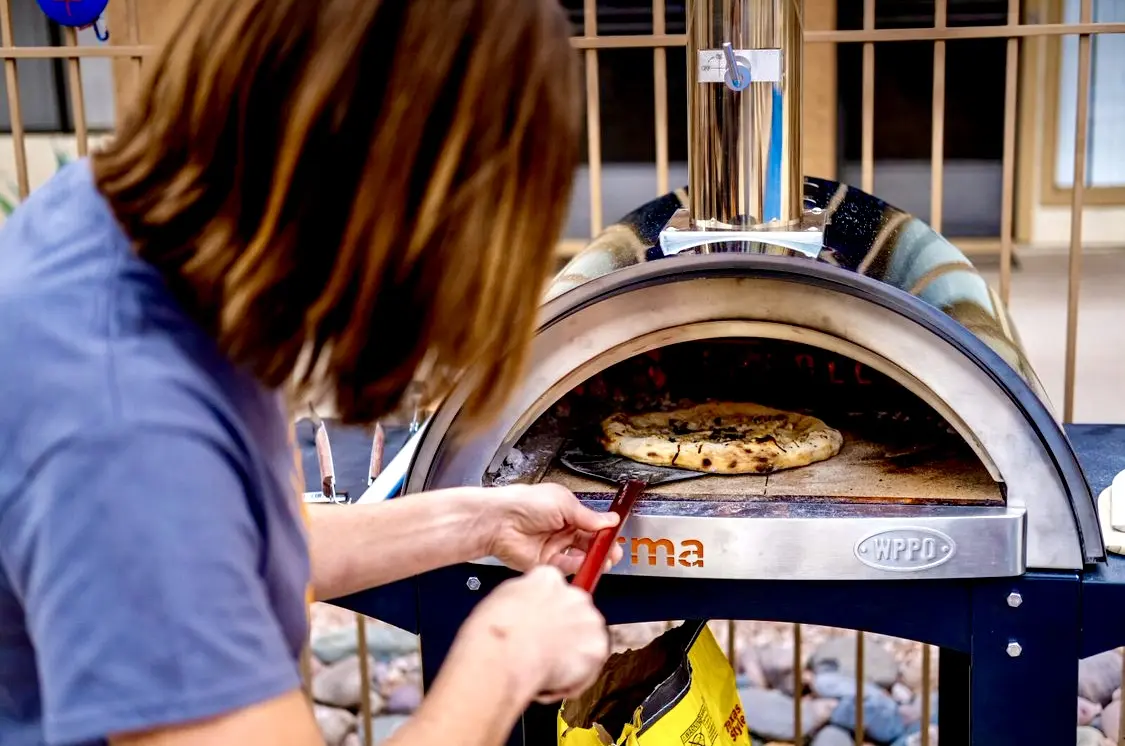
Seasoning your wood fired pizza oven is essential to enhance its flavor and performance. In this guide, I’ll walk you through the steps to properly season your oven, ensuring that every pizza you make is delicious and perfectly cooked. Let’s dive into the process!
Begin by thoroughly cleaning your oven to remove any dust or debris from shipping. A clean surface is critical for even seasoning.
Make sure to pay attention to corners and crevices where particles can hide. Using a brush or damp cloth can help in getting rid of stubborn residue.
Once your oven shines, you’re one step closer to preparing delicious pizzas. Cleaning is a ritual that sets the stage for an enjoyable cooking experience.
Remember, a well-prepped oven not only helps in the seasoning process but also contributes to the overall flavor of the pizzas you’ll bake.
Select high-quality, dry hardwood, like oak or hickory, as these will provide the best seasoning and flavor for your pizza.
Different woods impart unique flavors, adding character to your cooking. Pine or softer woods can produce a sooty residue, potentially affecting your results.
When gathering wood, ensure it is well-seasoned, ideally aged for at least six months. This leads to a cleaner burn, enhancing flavor without unwanted smoke.
Curating the right collection of wood can elevate your pizza game, so take the time to explore and experiment with different types!
Load your oven with kindling and small logs, then start a fire, gradually increasing the size of the wood once the flames are strong. This helps to heat the oven evenly.
Starting small is essential. Begin with dry kindling to get a good flame going, which will gradually ignite larger logs without overwhelming the oven.
This controlled approach ensures that each corner of your oven receives adequate heat. It’s a balance that leads to a consistently seasoned surface.
Building the fire slowly also allows you to monitor the temperature more effectively, crucial for this initial step.
Use a thermometer to monitor the oven’s internal temperature, aiming for about 500-600°F (260-315°C). Consistent heat is key to effective seasoning.
Investing in a good thermometer can make all the difference. This tool not only ensures accurate readings but also helps you track your progress.
Regularly checking the temperature gives you confidence as you season your oven, allowing adjustments if the heat fluctuates.
As the fire burns, it will produce smoke that helps to flavor the oven. Let it burn for a couple of hours to fully season the interior.
This phase is more than just heating; it’s about creating that delightful aroma that wood-fired cooking is famous for. Embrace the smells—it’s part of the experience!
The smoke helps to seal the surface of the oven, which contributes to amazing flavors in your pizzas. Think of it as an aromatic coating that enhances every bite.
After the seasoning process, allow the oven to cool down slowly. Repeat this process a few times to build up a good seasoning layer.
Slow cooling prevents any cracking that might occur from rapid temperature changes. Patience is key here, as it pays off with a well-seasoned oven.
Seasoning is not a one-time event; rather, it’s a commitment. Each round strengthens the oven, making it more resilient for future cooking.
As you repeat this process, you’ll notice your oven’s performance improving, paving the way for unforgettable pizza nights!
By following these simple steps to season your wood fired pizza oven, you can ensure a fantastic cooking experience that brings out the best flavors in your creations. Enjoy your pizza-making journey!